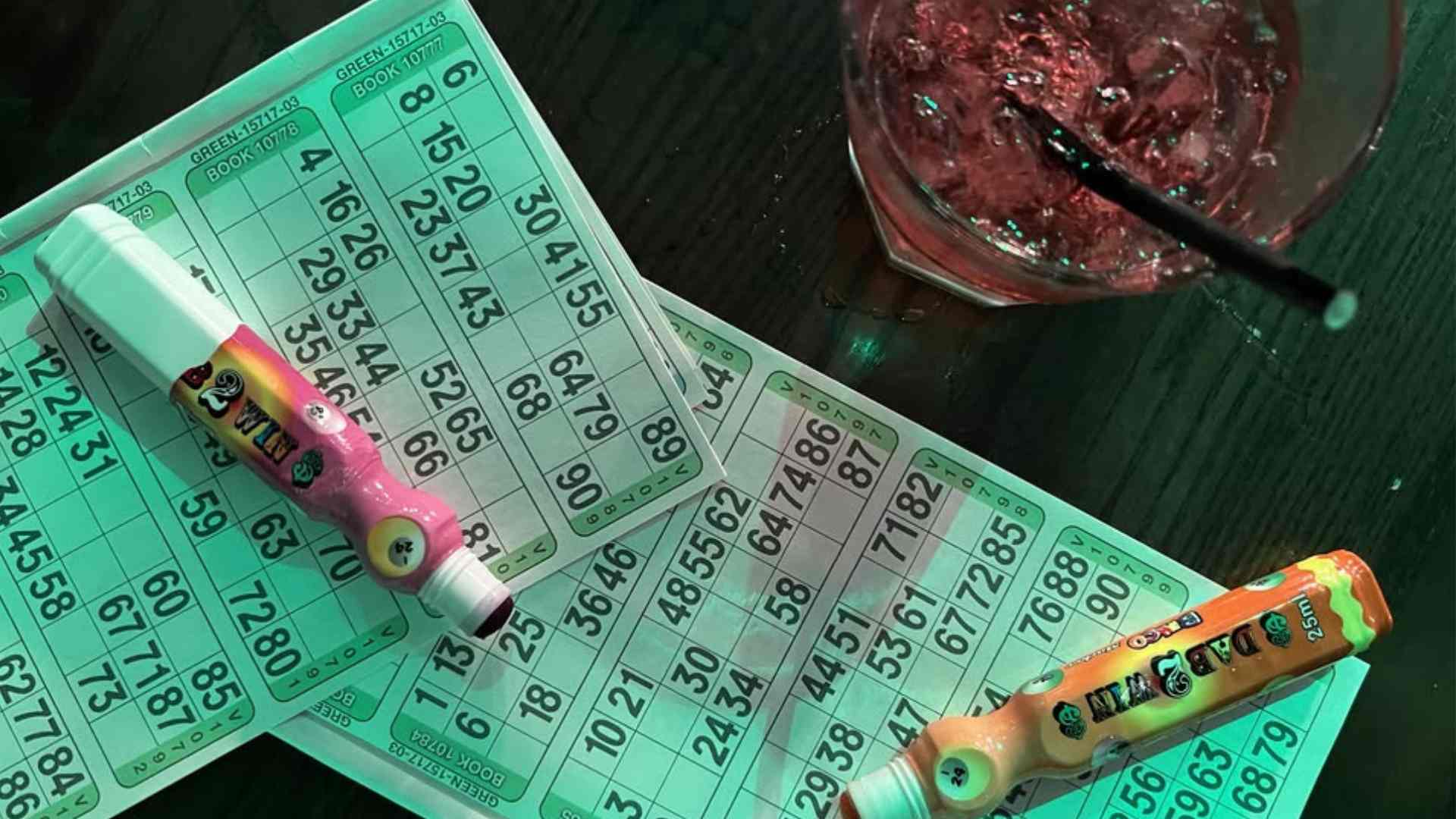
Engaging in tabletop gaming is far more than a simple pastime; it serves as an active arena for developing sharp cognitive skills. Unlike passive digital entertainment, physical and strategic table games require players to constantly evaluate changing conditions and make calculated decisions under pressure. This hands-on approach helps individuals build valuable tactical experience that translates directly into everyday problem-solving scenarios.
The Intellectual Depth of Classic Card Games
Card games have long been celebrated for their unique blend of hidden information, probability, and psychological strategy. Players must not only master the basic rules but also learn to read their opponents' subtle behavioral cues while managing their own emotional responses. This ongoing mental calculation teaches participants how to assess risks and make critical decisions with limited data.
For those looking to transition these strategic skills to a modern digital format, utilizing the m88 link mobile platform provides a highly convenient and responsive gateway to various tactical card games. Practicing in these environments allows players to test different strategies and refine their decision-making speed in real-time. Over time, this consistent practice helps build the confidence required to handle high-stakes situations calmly.
Mastering Long-Term Strategy with Chess
Chess stands as the ultimate test of tactical foresight, boasting a rich history that spans hundreds of years. The game features no elements of luck, meaning every single outcome is the direct result of the players' strategic choices. To succeed, one must analyze the board globally, anticipate multiple moves ahead, and establish robust defensive lines while seeking out weaknesses in the opponent's setup.
This deep level of planning encourages players to think proactively rather than reactively, a skill that is highly beneficial in professional and personal life. By learning to visualize potential consequences before making a physical move, players develop a disciplined mindset that values patience and thorough preparation. Ultimately, chess teaches us that even minor decisions can have a profound impact on the final outcome of a complex scenario.
Modern Board Games and Resource Management
The modern tabletop industry has introduced a wide array of cooperative and competitive board games that focus heavily on resource distribution and negotiation. These games often simulate complex economies or tactical battlegrounds where players must optimize limited assets to achieve specific goals. Success requires careful planning, adaptability, and the ability to pivot strategies when unexpected events occur on the board.
Furthermore, cooperative board games encourage players to work together toward a common objective, fostering communication and collective tactical planning. This collaborative environment teaches valuable lessons in teamwork, leadership, and mutual support under challenging conditions. By navigating these intricate game mechanics together, players learn to appreciate diverse perspectives and build stronger social connections.
Developing Emotional Control and Resilience
One of the most overlooked aspects of building tactical experience through table games is the development of emotional resilience. Every player will inevitably face setbacks, bad rolls, or superior tactical moves from their opponents during a session. Learning to accept these challenges without frustration is crucial for maintaining a clear, analytical mind during subsequent turns.
By analyzing past mistakes and adapting strategies for the next round, players learn to view losses as essential learning opportunities rather than permanent failures. This resilient mindset is incredibly valuable when facing real-world challenges where adaptability and perseverance are key to long-term success. Regular tabletop gaming thus provides a safe and supportive space to hone both mental sharpness and emotional maturity.