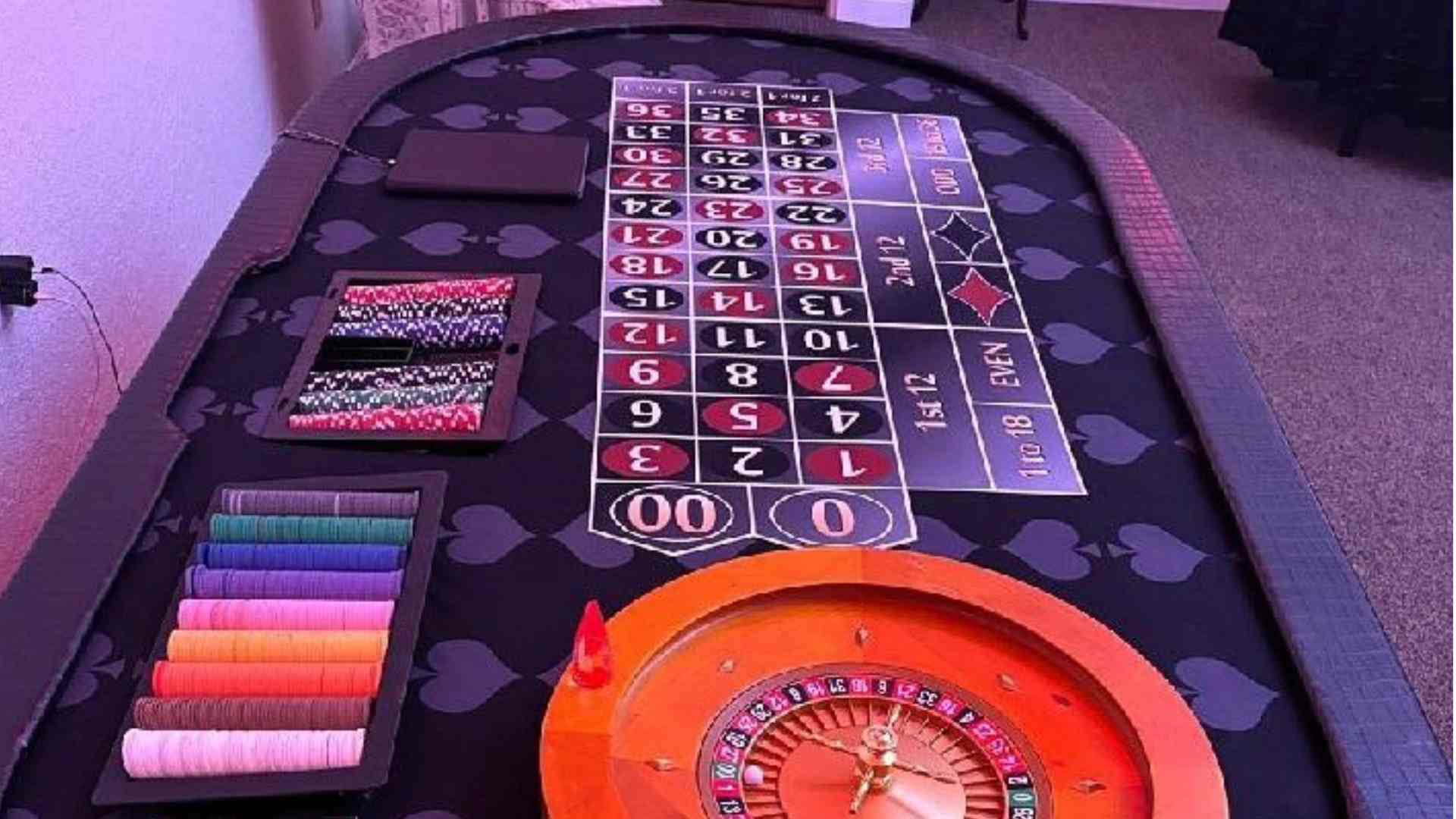
The rise of digital casino platforms has brought unmatched convenience to modern gaming enthusiasts, but it has also altered the tactile connection that once defined traditional card tables. For generations, the physical act of a live dealer handling, shuffling, and presenting cards served as the foundational bedrock of trust and excitement. Exploring why these classic operational habits continue to matter reveals a deep connection between human mechanics and authentic gaming outcomes.
The Tactile Rhythm of Live Card Handling
In a traditional card room, the steady motion of a professional croupier creates a distinct structural rhythm that automated software simply cannot replicate. Physical shuffling and dealing establish a transparent sequence where every participant can visibly track the flow of the session. This manual precision minimizes skepticism and ensures that the element of chance remains grounded in tangible reality.
Furthermore, the deliberate pace of a human deal allows players to engage in genuine psychological assessment and strategic contemplation. Unlike the instantaneous result generation found in digital simulators, physical tables honor the traditional timeline of classic gaming culture. This measured environment transforms a basic comparison of numbers into a highly interactive social event.
Preserving Trust Through Transparent Rituals
Before advanced encryption and corporate regulatory bodies standardized fair play, table accountability depended entirely on the open mechanics of the dealer. Classic card rooms utilized rigorous dealing protocols, such as burning the top card and using physical cutting cards, to prevent manipulation. These enduring practices offered players visible proof that the integrity of the round was being strictly maintained.
Modern players who seek a similar standard of transparency often look for digital platforms that mirror these traditional studio environments. Those interested in experiencing structured, professional table mechanics can utilize a secure m88 casino login register portal to explore live stream options. These contemporary systems combine classical dealer oversight with modern interactive interfaces to preserve the original spirit of fair play.
The Human Factor in Environmental Awareness
An often overlooked aspect of classic gaming tables is the unique social bond formed between the dealer and the surrounding participants. A skilled operator does not simply distribute cards; they manage the atmosphere, enforce subtle table etiquette, and resolve disputes impartially. This human presence transforms an ordinary mathematical test into a sophisticated exercise in shared social psychology.
When a physical dealer actively manages the layout, players tend to maintain a higher level of environmental vigilance and spatial awareness. Decisions are influenced by real-time observation, physical proximity, and the natural timing of the deal rather than rapid system notifications. This deep engagement demonstrates why ancient operational customs continue to hold immense value for modern table purists.
Bridging Historical Customs with Modern Platforms
The ongoing evolution of the global casino industry highlights a growing appreciation for the foundational designs developed centuries ago in European salons. While automation offers rapid transaction velocities, it frequently eliminates the personal responsibility that made early variants so compelling. Preserving manual procedures ensures that contemporary entertainment options do not lose their historical identity.
Ultimately, understanding the importance of traditional dealing procedures allows players to build a much more reliable foundation for long-term appreciation. Recognizing the historical transition from completely human-centric operations to hybrid digital networks provides essential perspective on how global leisure activities grow. By celebrating these time-tested manual rituals, the gaming community ensures that authenticity remains at the heart of every deal.